
More Than A Moment: The Commercial Rise of Women’s College Athletics
Women’s college athletics has hit the mainstream, experiencing a powerful lift in visibility, fan engagement, and cultural relevance over the last few years. What started as a surge in viewership and social buzz has evolved into a growing commercial market where fan demand is measurable, brand partners are engaged, and revenue opportunities are multiplying across every touchpoint. As audiences expand across television, ticket sales, digital platforms, and licensed merchandise, brands and universities are finding new ways to activate women’s sports. This is not just a trend to watch; it is a shift already underway, and Learfield is at the center of the commercial ecosystem, helping universities and brands capitalize on the momentum.
Women’s Sports Fan Growth Is Driving Commercial Opportunity
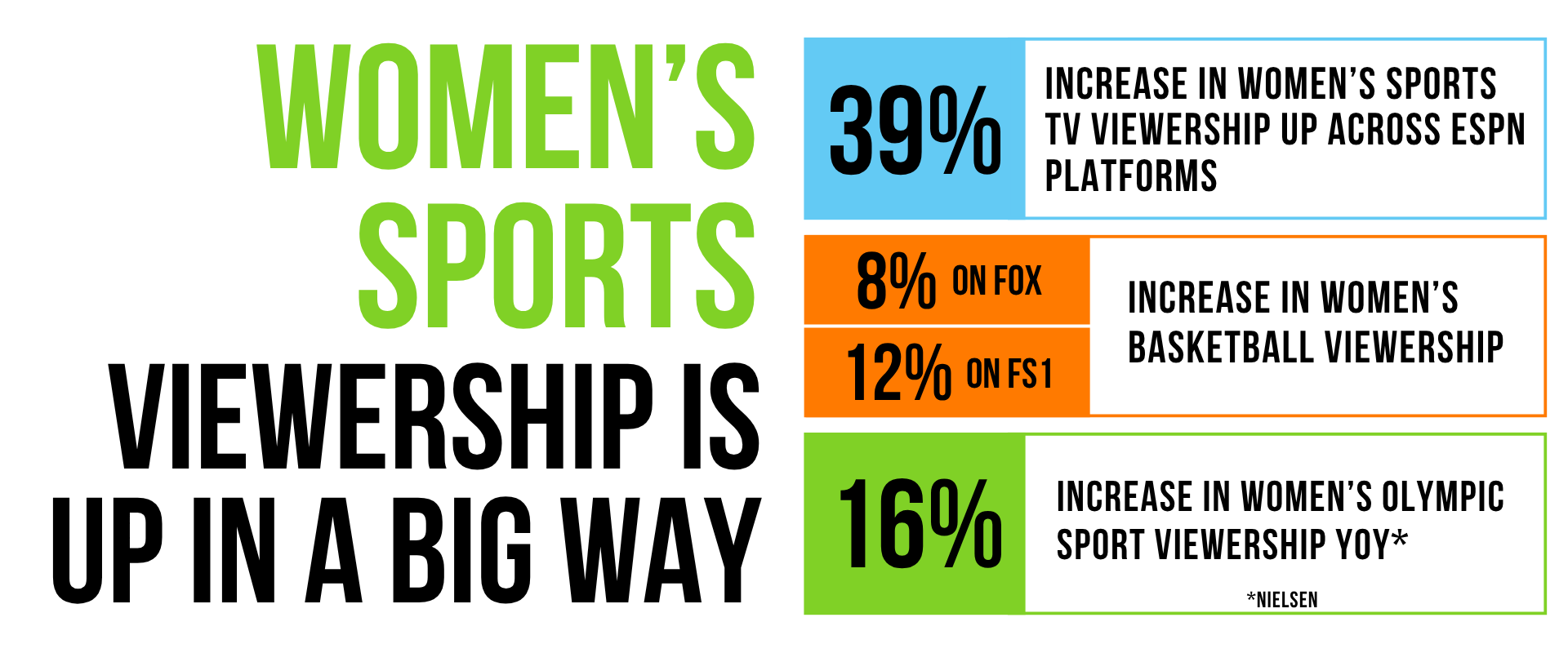
Fan demand is the foundation behind the rise of women’s college athletics, and the data shows that momentum is only accelerating. Today, nearly 30% of U.S. adults identify as women’s sports fans, a signal that interest has moved firmly into the mainstream. That enthusiasm is translating across platforms.
Just as importantly, fans are showing up in person. Demand for women’s college sports has grown over the past two seasons, with continued growth across basketball, softball, and volleyball.
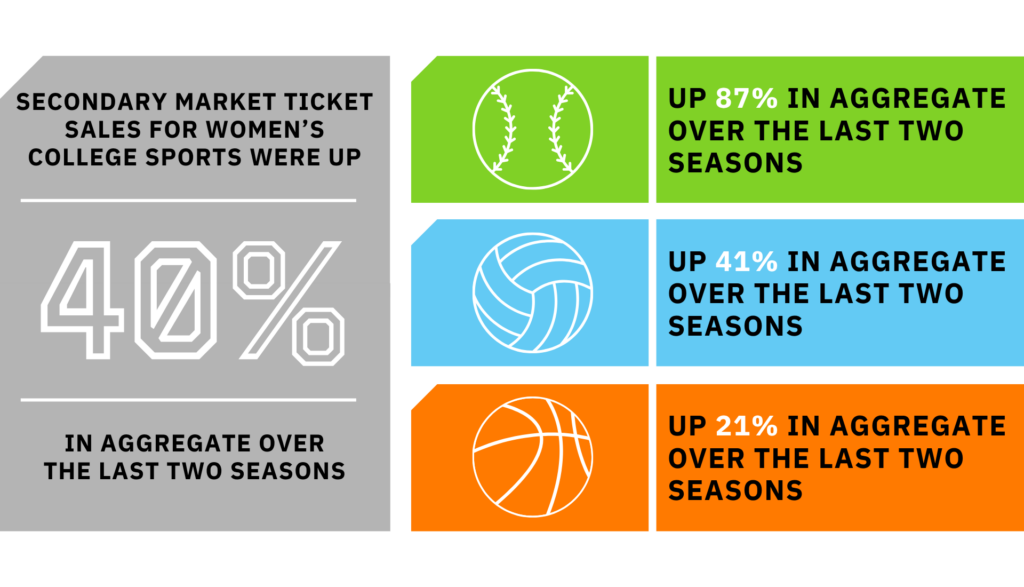 As more fans engage through both primary and secondary ticket marketplaces, schools are not only filling venues but also building valuable fan databases. Learfield’s Fanbase platform can capture and utilize that fan data to tap into demographic, geographic, and profile data metrics to better target fans and maximize brand partnership opportunities.
*source the integration of Paciolan and SeatGeek
Brands Are Increasing Investment in Women’s College Sports
As fan demand continues to rise, brands are taking note and responding by increasing their investment in women’s college athletics. Learfield’s network of 12,000+ brand partners puts it in a unique position to track where investment is flowing and to connect brands with the right properties at the right moment. What was once considered an emerging space is now delivering measurable returns for Learfield partners, with sponsorship activity accelerating across multiple sports and platforms.
The following data points highlight how brand investment is scaling alongside audience growth:
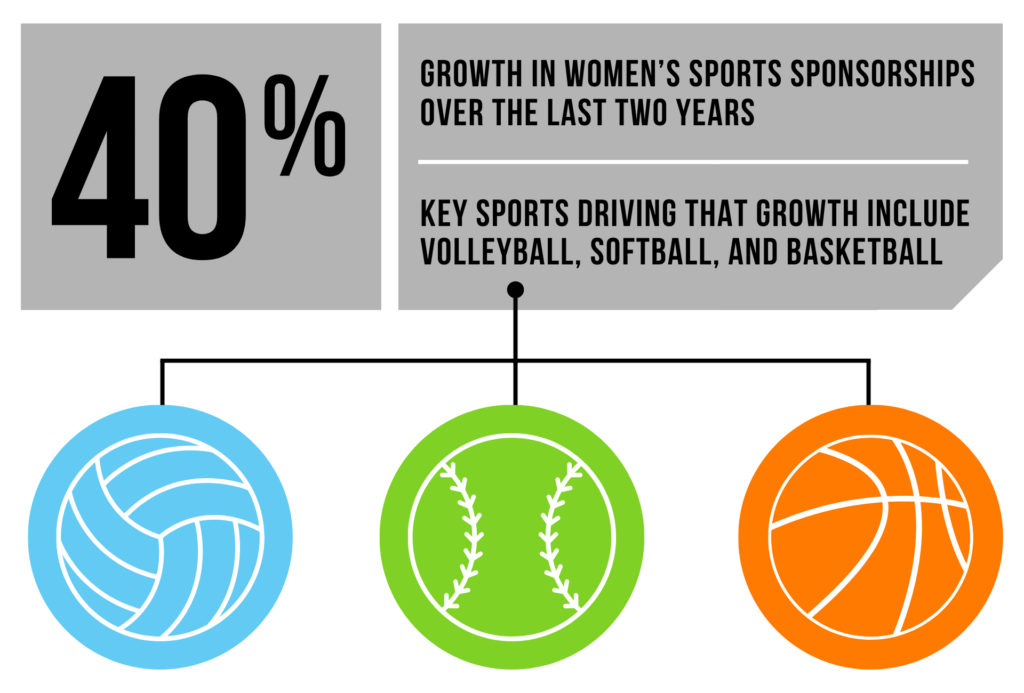 High-visibility, centerpiece assets, including jersey patches, stadium naming rights, on-field and on-court logos, and other premium assets, are quickly becoming some of the most valuable inventory in college sports. For brands, they deliver visibility across live games, broadcasts, and digital channels simultaneously. For schools, they represent scalable, multi-platform revenue that integrates naturally with NIL and content strategies. Learfield’s Sports Properties teams are helping women’s athletic programs leverage centerpiece assets to drive both visibility and long-term commercial growth.
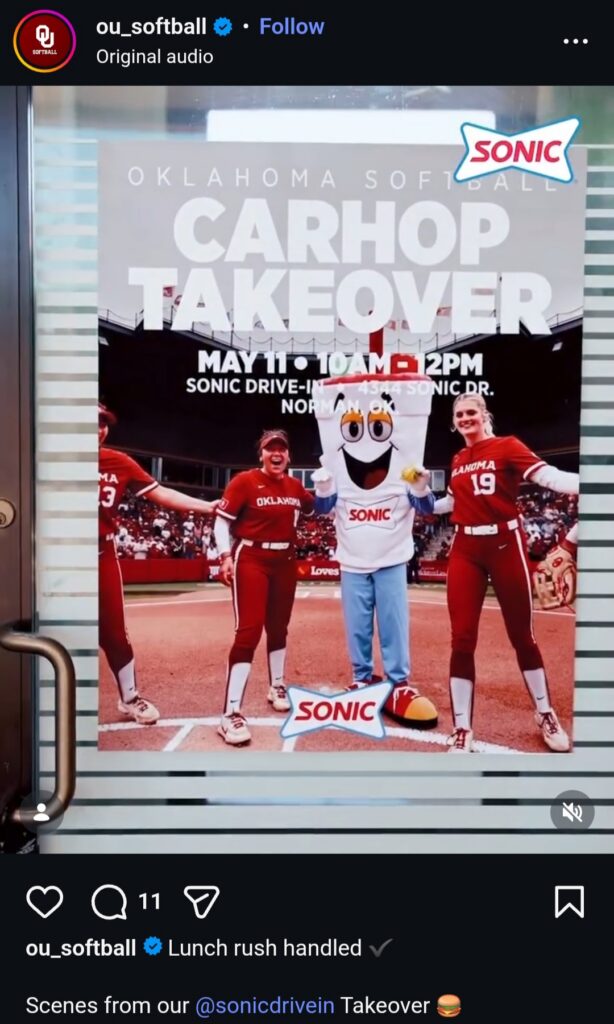
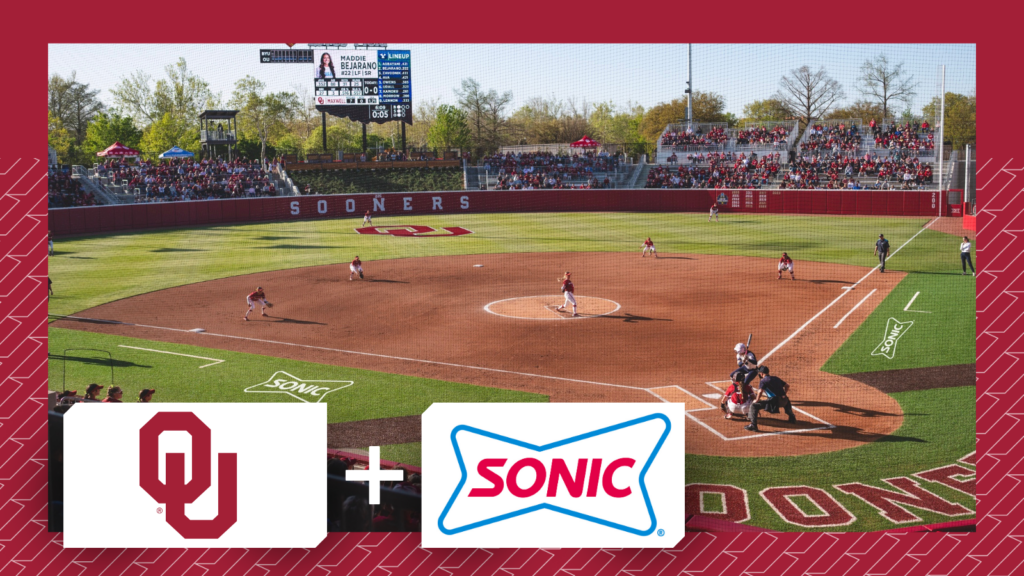
At Oklahoma, Oklahoma Softball and Sonic launched the first outdoor women’s sports on-field logo sponsorship at one of the most iconic women’s softball facilities in the country, Love’s Field. Sonic turned a logo placement into a fully integrated NIL “Carhop Take Over” campaign that drove over 60% lift in sales and 80% plus increase in digital traffic.
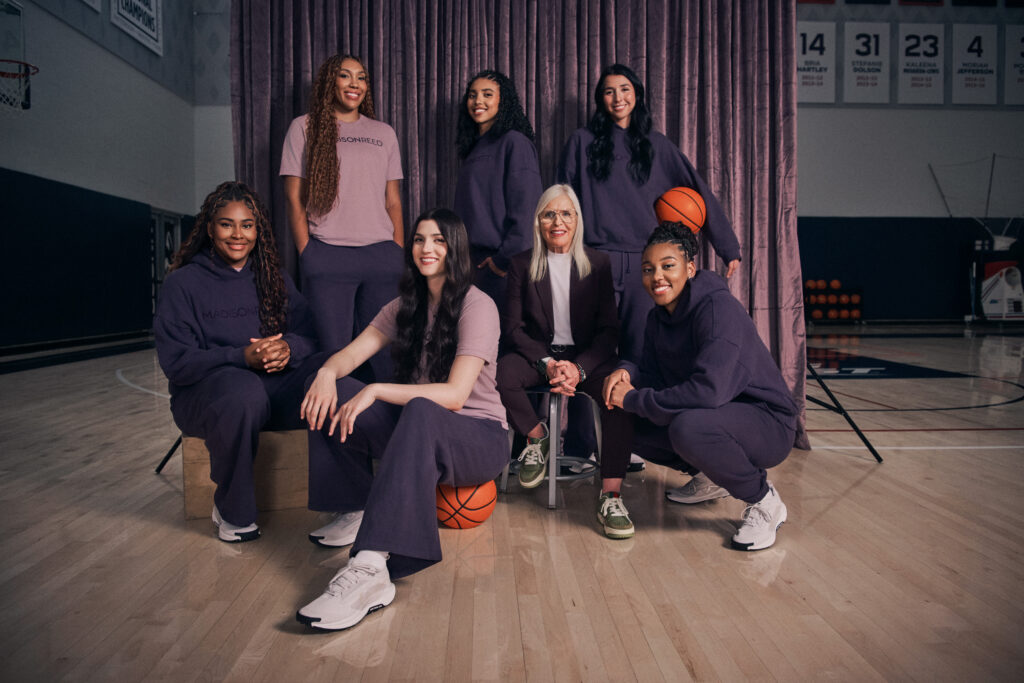
Similarly, at UConn, Madison Reed sponsored the historic PeoplesBank Arena, making the brand the first female- and grad-founded brand to hold court naming rights. The on-court signage is just one part of a broader, multi-platform strategy that extends the Madison Reed brand presence from the court into broadcast, social, and NIL content.
These examples are not one-off placements; they highlight how Learfield packages centerpiece assets into comprehensive partnerships that connect brand visibility with athlete storytelling and fan engagement, creating value that lives beyond the game.
Centerpiece assets are sold as part of a comprehensive package that is critical for brand building:

The most forward-thinking brands are seeking additional ways to embed themselves across entire programs. Through Learfield’s sports properties, brands can build entitlement-level partnerships that span every sport and platform and positively impact the female student-athlete experience.
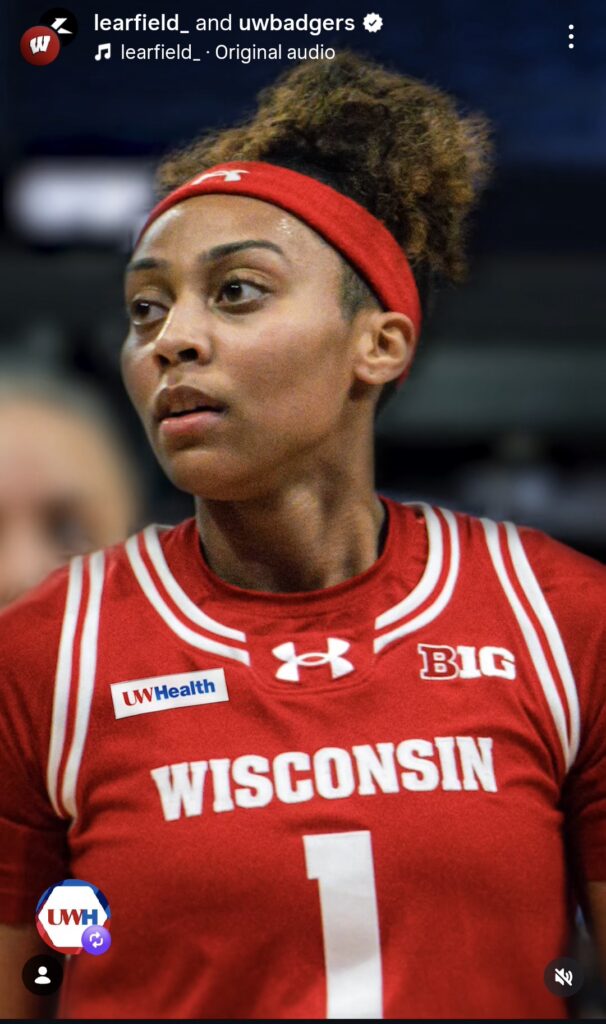 As part of a landmark women’s sports entitlement partnership announced in September, UW Health became the official jersey patch sponsor of four University of Wisconsin–Madison women’s athletic programs, making it the first jersey sponsorship dedicated exclusively to collegiate women’s sports, unlocking new visibility, digital integration, and NIL opportunities for student-athletes. Similarly, Truist prioritized its investment at Wake Forest to become the presenting sponsor of women’s athletics, prioritizing initiatives like leadership development, financial literacy, and original content series designed to amplify female student-athletes.
Brands are recognizing women’s college sports as a scalable platform that delivers audience growth, authentic storytelling opportunities, and clear alignment with values around inclusion and gender equity.
How NIL Is Expanding Women’s Sports Marketing Opportunities
NIL is playing a central role in expanding the women’s sports ecosystem, giving brands new ways to connect directly with female student-athletes and their audiences through authentic, content-driven storytelling that resonates with fans and extends well beyond traditional sponsorship models.
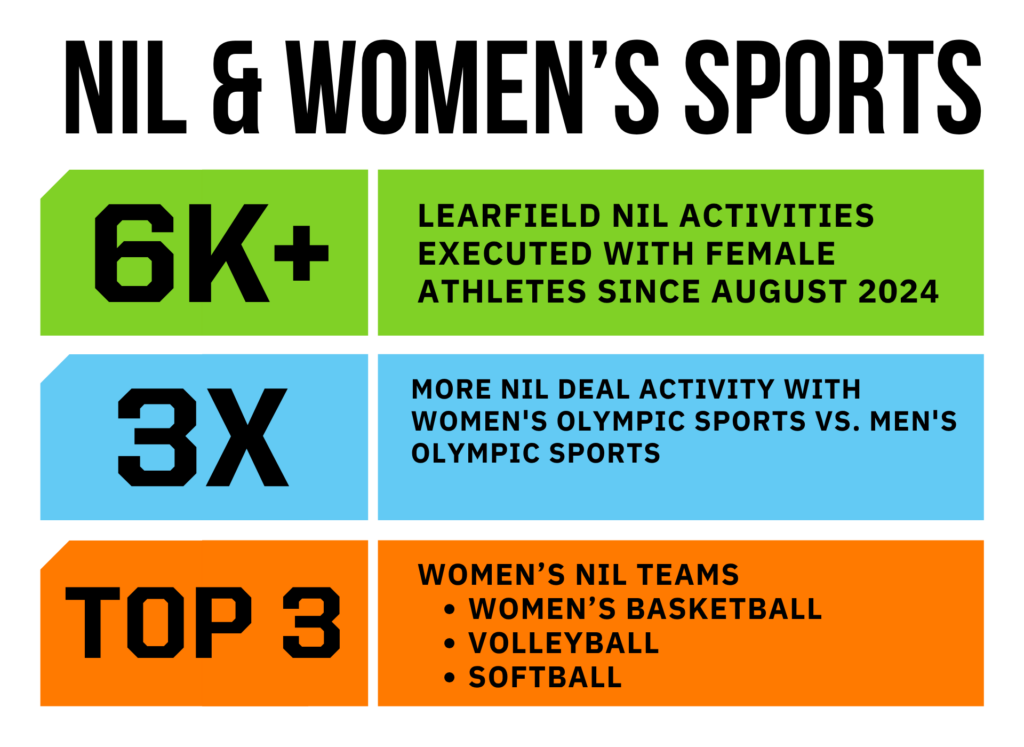
Through Learfield Impact and Learfield Studios, brands have a built-in infrastructure to find, activate, and scale these partnerships across hundreds of campuses.
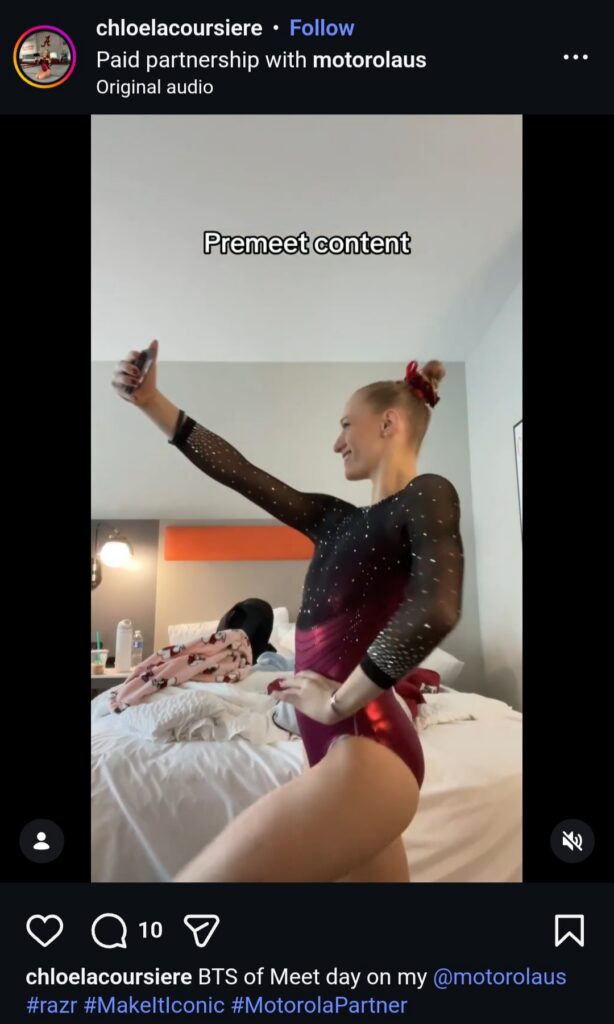
Motorola has taken a deliberate, content-first approach to women’s sports, building NIL campaigns around student-athletes who excel as creators. The brand partnered predominantly with female athletes and has leaned even further this year, with nearly its entire ambassador roster made up of women. Spanning sports like soccer, gymnastics, softball, volleyball, and women’s basketball, Motorola’s strategy focuses on influencer-style storytelling, where women athletes consistently deliver authentic, high-performing content that connects with fans.
State Farm is scaling its investment in women’s sports through a series of original, athlete-driven content franchises developed through Learfield Impact’s NIL and content program. In year two of “Stanchion to Stanchion,” the popular series spotlights men’s and women’s basketball players in a casual, behind-the-scenes interview format. The series has also expanded into volleyball with “Baseline to Baseline” and softball with “The Walk Up”. With more than 36 student-athletes involved, State Farm has built one of the most expansive female-focused NIL programs using content to deepen fan connections while elevating the visibility and voice of women athletes.
The Future of Women’s College Sports Sponsorships
Deeper fan engagement and increased viewership drive more sponsorship interest. More sponsorship investment funds, better content, and athlete experiences. Better content engages new audiences. In women’s college athletics, the flywheel effect in gaining momentum and the commercial infrastructure to monetize it is catching up. Learfield sits at the center of the flywheel, connecting brands, schools, and student-athletes across every touchpoint from sponsorship optimization, ticketing, licensing, NIL, original content and more.